Precision Manufacturing. Consistent Results. Reliable Performance.
Author:
GT Ooi
Published on:
01 July 2026
Category:
Technologies
Precision Manufacturing. Consistent Results. Reliable Performance.
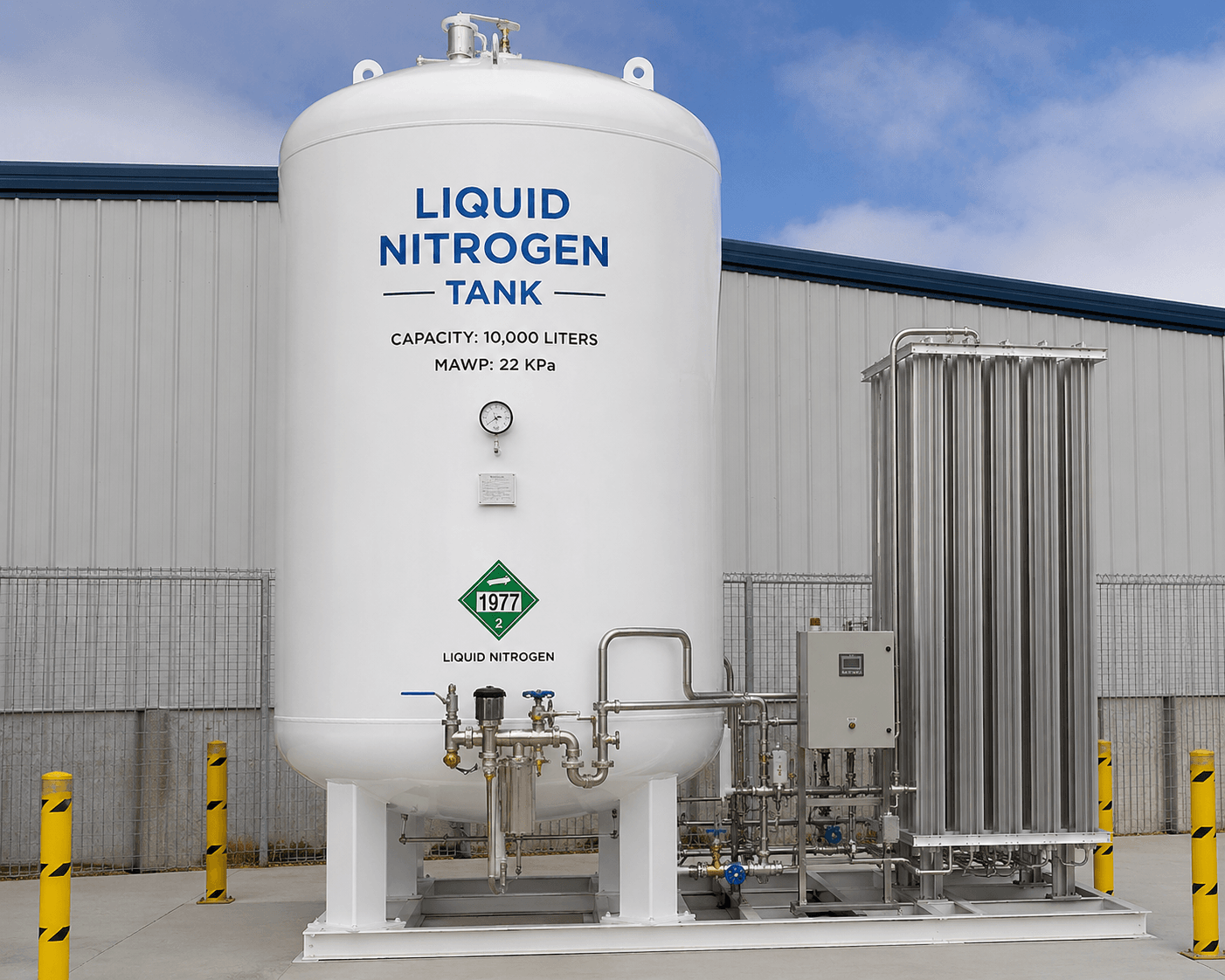
At Silcotech Industry, we specialize in advanced Cryogenic De-flashing Solutions designed to improve the quality, consistency, and efficiency of molded rubber and silicone components. Using controlled Liquid Nitrogen Technology together with precision media blasting, excess flash is removed effectively while protecting delicate product surfaces and maintaining product integrity.
Silcotech Industry Capabilities
- Cryogenic De-flashing Technology – Efficient removal of excess flash from molded rubber and silicone parts.
- High Precision Processing – Preserves dimensional accuracy and supports complex and delicate geometries.
- High Volume Manufacturing Support – Processes large production quantities with consistent output quality.
- Suitable for Sensitive Components – Applicable for Rubber O-Rings, Gaskets, Seals, Medical Rubber Components, and Precision Molded Plastic Parts.
- Cost and Labor Reduction – Minimizes manual trimming and improves production efficiency.
- Reliable Manufacturing Performance – Delivers repeatable and stable production results across industrial applications.
Whether your focus is cleaner finishing, higher throughput, or improved manufacturing consistency, Silcotech Industry is ready to support your production requirements.